The Castro and the GLBT History Museum
Rainbow flags, Harvey Milk Plaza and a community's story
⏱ 1-3 hours👤 All ages$
Get Tickets
Get The Castro Tickets
Skip the line · mobile tickets accepted at the door
Why does the Castro matter? In the decades after World War II, San Francisco became a destination for LGBTQ people seeking community, and the Castro grew into a neighborhood where they could live openly. The district's history includes celebration and struggle: the rise of a political movement, the election of Harvey Milk to the Board of Supervisors in 1977 and his assassination in 1978, and the devastation of the AIDS crisis in the 1980s. The community responded with activism, care networks and memorials, and many of those stories are told on the streets and in the museum.
The GLBT Historical Society Museum, at 4127 18th Street, is a small museum with a long-term exhibition called Queer Past Becomes Present and rotating shows in a front gallery. General admission is ten dollars, with discounts for seniors, students and others, and free admission for children twelve and under. The museum offers free entry on the first Wednesday of each month, first-come, first-served. Opening hours have been listed as Tuesday through Sunday, with Monday closed, but check the museum website before you go because hours and exhibition changeovers can alter the schedule. An audioguide for the main exhibition is available through an app.
On the street, take your time. Look for the rainbow flag at Harvey Milk Plaza, the plaques along the sidewalks, the independent shops and the bars and cafes that give the area its social life. Evenings are busier and more festive, especially on weekends, while daytime is a good time for a slow walk and a museum visit. Events and parades fill the neighborhood at various points in the year, including during Pride season in June, when it becomes a center of celebration.
A guided walking tour can add context if you want stories and names behind the landmarks. The Castro is on the Muni Metro lines, a short ride from downtown, and it pairs naturally with the Mission District murals and Dolores Park nearby. Everyone is welcome, and the neighborhood's spirit of openness is part of what you come to see.
Respect is the main rule. The Castro is home to residents as well as visitors, so ask before photographing people, be thoughtful in shops and cafes and treat memorials with care. Late afternoon is a good time to arrive, when you can visit the museum, walk the main blocks and settle into a cafe as the evening crowd gathers. If you are interested in more depth, look for guided walks that cover the neighborhood's political history, its arts scene and the stories behind its landmarks, and consider reading a short biography of Harvey Milk beforehand.
What to Expect
Format
A walk through the Castro neighborhood, with an optional visit to the GLBT Historical Society Museum for exhibits on LGBTQ history.
Best Time
Daytime for a calm walk and the museum; evenings and weekends for the social scene; June for Pride season.
Duration
One to three hours, depending on whether you visit the museum.
Tips
Check museum hours before you go, look for the free first Wednesday and consider a guided walk for context.
⚡ Quick Picks
Best For
History and civil-rights fans and curious first-time visitors.
Families
Fine for daytime walks; evening bar scenes are adult-oriented.
Couples
A colorful wander with a cafe stop and a museum visit.
Pair With
The Mission District murals and Dolores Park.
Time Needed
One to three hours.
Ready to book The Castro?
Get Tickets →Frequently Asked Questions
What is the GLBT Historical Society Museum?
A small museum at 4127 18th Street whose long-term exhibition, Queer Past Becomes Present, tells LGBTQ history.
How much is admission?
General admission is ten dollars, with discounts for some visitors, and free entry for children twelve and under.
Is there a free day?
The museum offers free entry on the first Wednesday of every month, first-come, first-served.
Who was Harvey Milk?
The first openly gay man elected to major public office in California, he served on the Board of Supervisors until his assassination in 1978.
How do I get there?
The Castro is on the Muni Metro lines, a short ride from downtown.
More San Francisco Attractions
Browse all →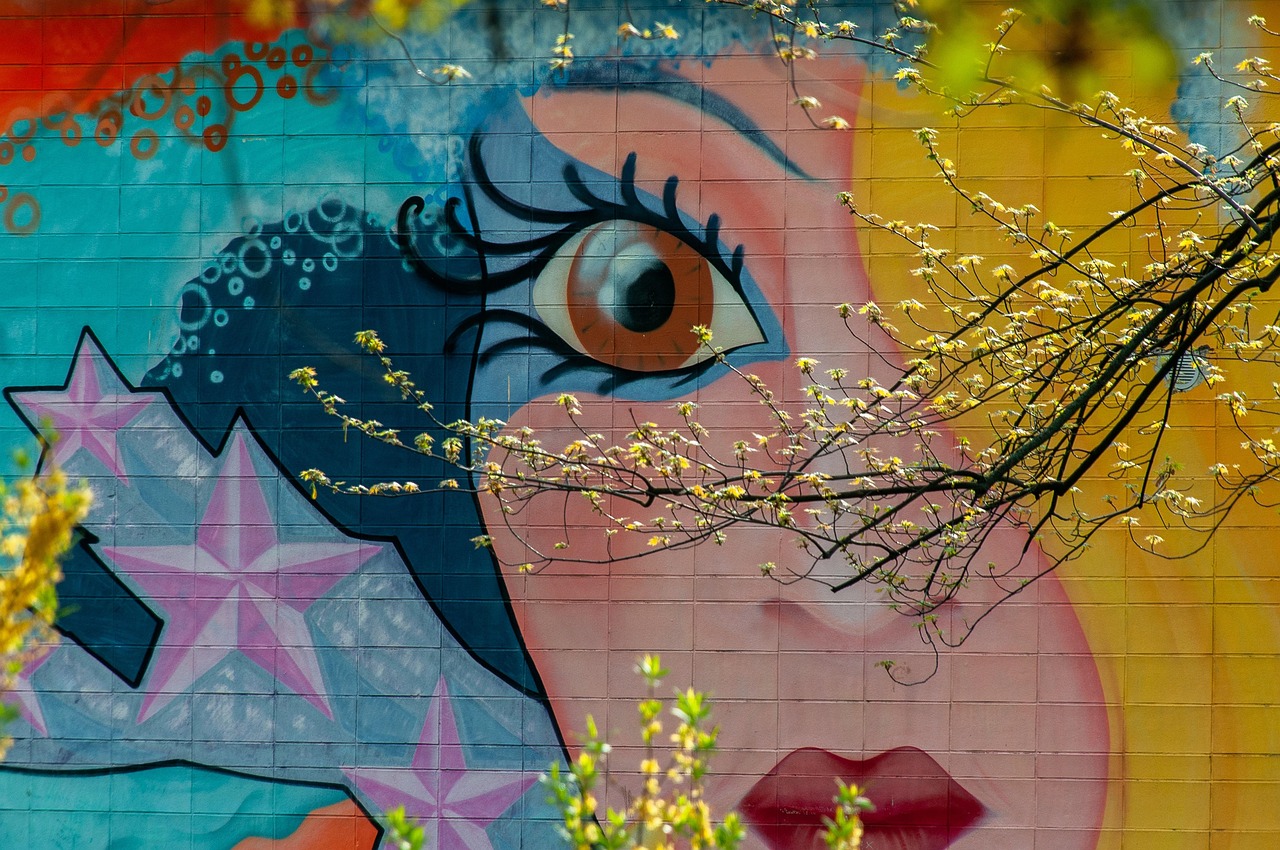
Mission District Murals
The largest outdoor gallery in the city — Balmy Alley's fence-to-fence murals, Clarion Alley's ever-changing walls, the Women's Building's four-story MaestraPeace, and Precita Eyes tours from the people who paint them.
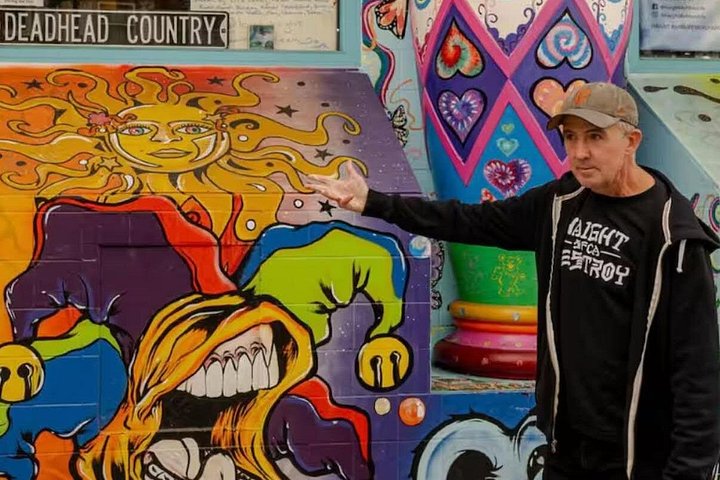
Haight-Ashbury Walking Tour
The corner where the Summer of Love happened: a two-hour guided walk through the Haight, from Victorian rows and vintage shops to the music and politics that made the neighborhood famous.

Painted Ladies & Alamo Square
The "Postcard Row" of pastel Victorian houses at Alamo Square, framed by the downtown skyline behind — one of the most photographed streetscapes in the city, and free to admire.