Computer History Museum
The story of computing, in the heart of Silicon Valley
⏱ 2-4 hours👤 All ages$$
Get Tickets
Get Computer History Tickets
Skip the line · mobile tickets accepted at the door
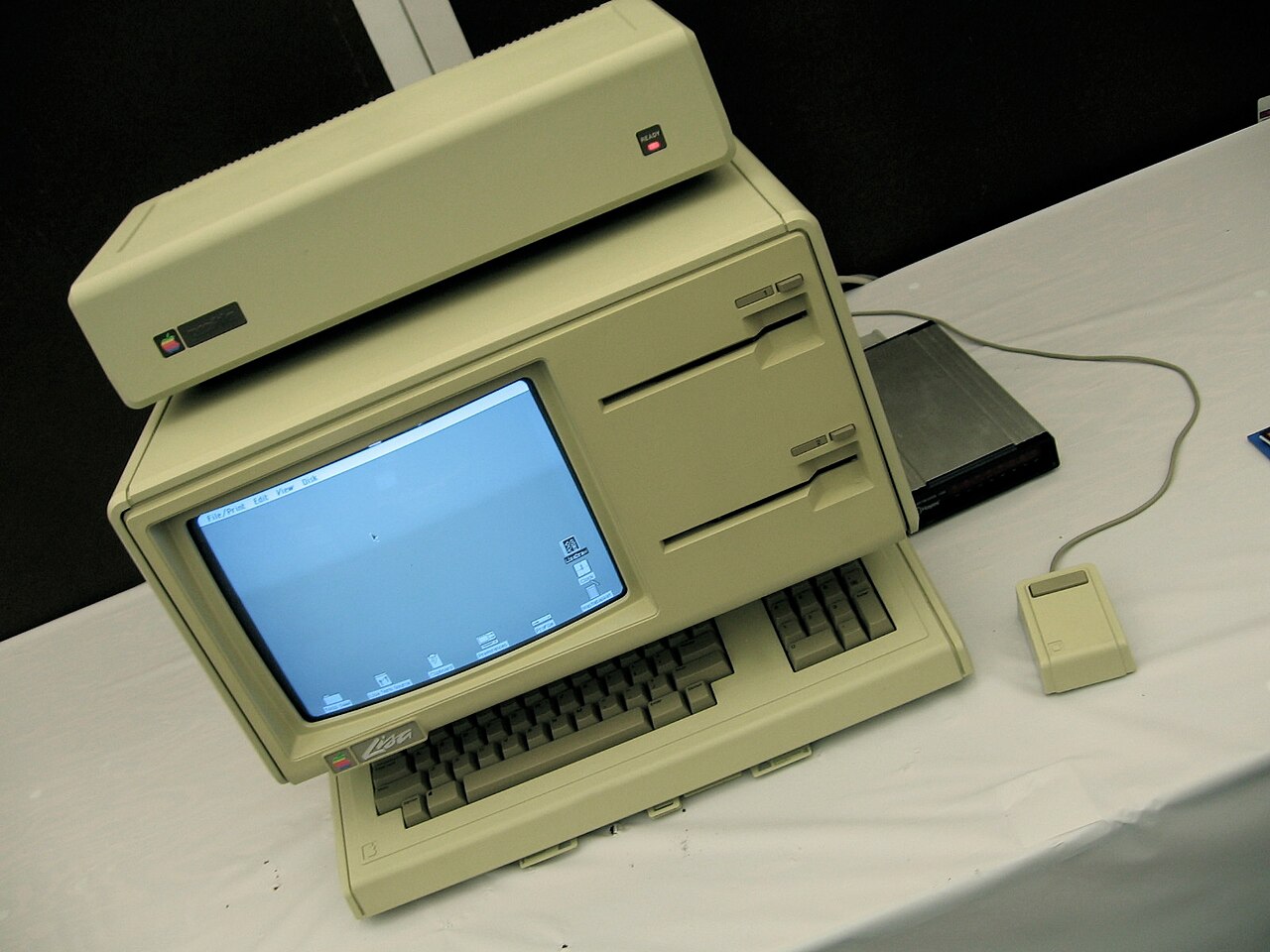
What makes the museum special is the quality of its collection. It holds artifacts from nearly every era of computing, including supercomputers, early microprocessors and consumer machines that people grew up with. One of its best-known pieces is a working replica of Charles Babbage's Difference Engine No. 2, a mechanical calculator designed in the nineteenth century and built from the original plans. Demonstrations of the machine have been a highlight for many visitors, though schedules vary so check the museum calendar. The exhibits move from the mechanical age through the electronic era and into the web, giving a clear narrative arc.
The location matters too. Mountain View is home to major technology companies, and the museum sits near the area's campuses. Many visitors combine it with a drive through Silicon Valley, a stop at a university campus or a meal in a nearby downtown. Guided tours that bundle the museum with a Silicon Valley campus visit are available for travelers without a car. If you drive, parking is typically on site; if you use transit, check Caltrain and local connections.
How to plan: look at the museum calendar for open days, since not every day of the week may have the same hours, and check whether special exhibitions or events affect your visit. Tickets are timed in some periods, so buying ahead is wise. A typical visit lasts two to four hours, depending on how much you read and how many demonstrations you watch. Families should consider the age of their children; older children and teens who use computers, games and phones tend to enjoy it most.
If you only have a short time in the Bay Area, think about whether a half day south of the city is the best use of it. But for visitors who care about how technology changed the world, it is one of the most rewarding museums in California and a strong complement to San Francisco's more artistic offerings.
Make a short plan before you arrive. Decide whether you want the full main exhibition or a few favorite galleries, since the collection is large and attention fades after a few hours. Look for guided tours and demonstrations on the museum calendar, which add context to the objects. Bring a light jacket for the air-conditioned galleries, and eat in Mountain View before or after because dining options may be limited on site. If you are driving, build in time for traffic on the highway between San Francisco and the Peninsula, which can be heavy at rush hour.
What to Expect
Format
A large museum of computing history in Mountain View, covering calculation devices, mainframes, personal computers, games and the internet.
Best Time
Check the museum calendar for open days and demonstrations; weekdays tend to be calmer.
Duration
Two to four hours, plus travel time from San Francisco.
Tips
Plan transport in advance, buy tickets ahead and check for demonstrations of the Difference Engine.
⚡ Quick Picks
Best For
Tech fans and history lovers who want to see where the digital age came from.
Families
Best for older children and teens who use computers and games.
Couples
A smart half-day trip for curious partners.
Pair With
A drive through Silicon Valley or a Stanford campus stop.
Time Needed
A half day including travel.
Ready to book Computer History?
Get Tickets →Frequently Asked Questions
Where is the museum?
In Mountain View, in Silicon Valley, roughly an hour south of San Francisco depending on traffic.
What is the Difference Engine?
A mechanical calculator designed by Charles Babbage in the 1800s; the museum has a working replica built from his plans.
How long should I plan?
Two to four hours for the museum, plus travel time.
Can I get there without a car?
Yes, by Caltrain and local connections, or on a guided tour that includes the museum.
Is it good for children?
Older children and teens usually enjoy it most, especially the games and personal computer sections.
More San Francisco Attractions
Browse all →
California Academy of Sciences
An aquarium, planetarium, rainforest, and natural history museum all under one living roof in Golden Gate Park — a Renzo Piano-designed marvel and one of the best family science destinations in the country.

Exploratorium
The original hands-on science museum, on Pier 15 along the Embarcadero — hundreds of interactive exhibits about perception, light, sound, and the physical world, with sweeping bay views from the pier.

San Francisco Museum of Modern Art
One of the largest modern and contemporary art museums in the country — seven floors of painting, sculpture, photography, and design, dramatically expanded in 2016, in the heart of SoMa downtown.